Skip to content
Spider — Pest Control

Pest Control · Great Bend, KS

Pest Control in Great Bend, KS - Wasp Nest Removal, Spider Treatment & Flea Treatment

Great Bend sits on the bend of the Arkansas River, and that river bottom plus the wetlands near Cheyenne Bottoms shape exactly which pests show up at your door.

  • Serving since 2017
  • Kansas commercial pesticide applicator certification for structural pest control
  • National Pest Management Association membership

Request a quote

Tell us what you need and we will call you back.

Request a quote

Hot, humid summers push ants, roaches, and spiders indoors, and hot, dry spells stress lawns and shift ant activity toward foundations and irrigated yards around Brit Spaugh Park and Zoo. We handle the full range for homeowners and businesses near Great Bend High School, downtown, and along US 281: wasp nest removal under eaves, spider treatment in garages and basements, flea treatment after pet problems, termite inspection before a home sale, rodent removal, mosquito control, and bed bug treatment. Every visit starts with an inspection and a plain-language explanation of what we found.

How We Serve Great Bend, KS Homeowners Year-Round

Great Bend’s seasons set the pest calendar. When fall temperatures drop, mice and rats move toward buildings, and older brick and frame homes near Great Bend City Hall and the downtown masonry blocks give them plenty of gaps to work with.

Spring hail and thunderstorms can disturb wasp and ant nests and push pests into wall voids, while heavy rain along the river bend floods basements and crawl spaces where spiders and crickets harbor. Winter freezes slow outdoor insects for a while, but that is exactly when rodents settle into attics.

We schedule inspections around your route, confirm pest activity before we treat, and explain treatment options before work begins. Expect a written outline of what we found, what we recommend, and what follow-up the pest’s lifecycle requires. Call (855) 681-0299 to get on the calendar.

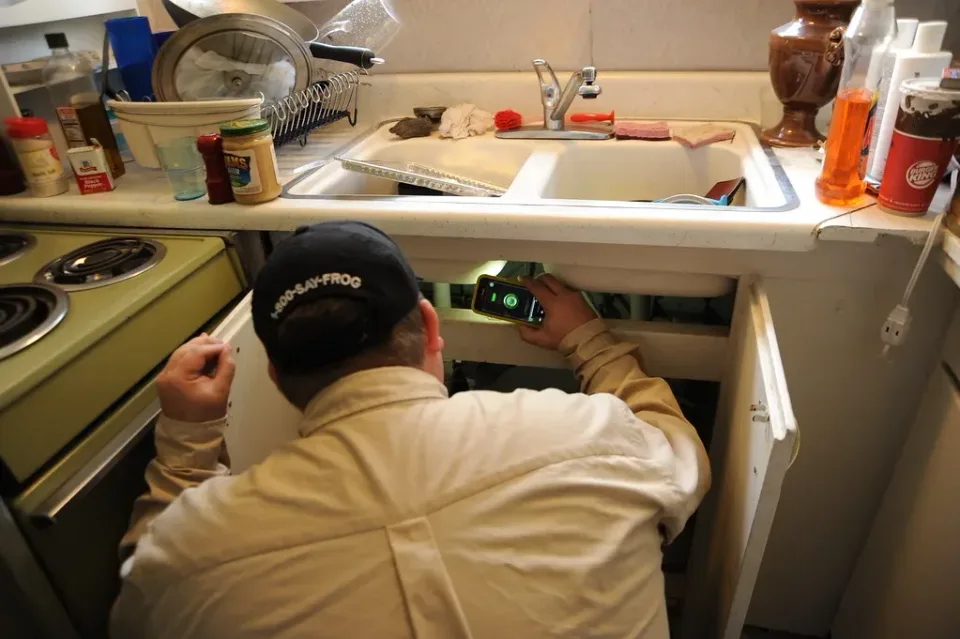
Pest Control Technician — Residential Service

Which Pest Problems Do Great Bend Homes Call About Most?

Three calls dominate our Great Bend schedule. First, wasps: spring storms can disturb nests and expose pests, so activity that stayed hidden in June often surfaces near rooflines and sheds by late summer.

We confirm the nest location, treat at the right time of day, and remove the comb so the site does not get rebuilt. Check the eave line and attic vents from the ground once a month in summer a papery gray ball the size of a golf ball is the early sign.

Second, mosquitoes. Standing water after rainfall supports mosquito breeding within days, and low spots in yards across 67530 hold water after every Barton County storm. Our mosquito yard treatment targets harborage and breeding sites, not just the air.

Third, roaches. Summer humidity aggravates moisture-loving cockroach activity, especially in older homes with slab foundations and damp crawl spaces. We use crack-and-crevice application and bait stations where roaches actually travel.

We cover all of ZIP code 67530, plus snow and ice may delay inspections and exterior treatments in winter we reschedule rather than spray into wind. Strong winds can affect outdoor spray application, so timing matters. Call (855) 681-0299 and tell us what you are seeing.
Ethan Miller

Service Expert at Kansas Pest Pros

I started in pest control in Lawrence and learned how Kansas homes and buildings—from older wood-frame houses to newer construction—can face different pest pressures. I built this company to help people understand what’s attracting pests, what treatment involves, and how seasonal shifts in Kansas affect the next steps.

9+ years experience Kansas commercial pesticide applicator certification for structural pest control National Pest Management Association membership

River Bottom Soil and Older Masonry Change How We Treat

Great Bend sits in a humid continental climate zone, but the Arkansas River bend and the wetlands near Cheyenne Bottoms make this stretch of central Kansas behave differently from the drier western part of the state. Eastern Kansas typically receives more annual precipitation than the west, and Great Bend sits close enough to the wetter pattern that river flooding and saturated soil keep termite pressure and mosquito breeding higher than towns just an hour west.

That moisture shapes our work. Homes near Brit Spaugh Park and Zoo back onto mature trees and irrigated turf, which holds subterranean termite colonies and spider harborage close to foundations. Older downtown masonry buildings near Great Bend Public Library hide cracks that freeze-thaw cycles widen each winter, giving mice and insects a way in.

Rapid temperature swings can affect treatment timing, too a bait station set before a cold snap works differently than one set in stable weather. We check soil moisture and structure type before recommending termite inspection or exclusion work. If your foundation sits in that river-bottom soil, an annual inspection is worth the hour it takes.

Who Regulates Pesticide Use in Great Bend, KS?

2-2438a et seq.) requires commercial applicators to hold certification and keep application records. EPA rodenticide label and bait-station directions also dictate how tamper-resistant bait stations are placed and secured.

What does that mean for you? If a hire sprays without records or a certified applicator, you have no documentation of what was applied, where, or at what rate a real problem if a child, pet, or tenant has a reaction. OSHA’s Hazard Communication Standard (29 CFR 1910.1200) also governs how we handle Safety Data Sheets on commercial jobs.

Ask us for the label and record at any visit a compliant operator will hand it over.

Why us

Local Pest Control in Great Bend, KS

Kansas Pest Pros treats the pests Great Bend homes and buildings actually deal with, and explains the work before it starts.

We Confirm First

Every job starts by identifying the target pest before any product is chosen.

Nine Years in Kansas

Our owner started in Lawrence and learned how older wood-frame houses and newer construction face different pressures. That experience shapes how we inspect and treat Great Bend properties of every age.

Clear Before We Start

Before work begins, our staff explain the proposed service and tell you what to do to prepare, like clearing access to the treatment area. You know the plan and your part in it up front.

Our process

How a visit works

Here is how a typical job runs from your first call to the finished visit.

01

Call and Scheduling

You describe what you are seeing and we schedule an inspection, coordinating routes and timing across Kansas. You get a visit window and a heads-up on what to have ready before we arrive.

02

Inspection and ID

A technician confirms the target pest and checks basements, crawlspaces, and utility areas where activity hides. You get a plain explanation of what was found and what treatment would involve.

03

Treatment Visit

The crew applies product following label directions and site-specific precautions, keeping people and pets out of treated areas as directed. You get notes on the products used and any prep you handled.

04

Documentation and Follow-Up

We document findings, products used, and follow-up recommendations in writing. You get a clear record of the visit and know what to watch for and when to call us back.

Typical jobs

Typical jobs in Great Bend, KS

Across pest control calls, the most common reasons people reach out are general pest control, rodents and ants.

Typical job

A landlord finds bed bugs in a

A technician inspects the apartment, confirms the infestation, and walks the owner through what a heat treatment requires before putting together an estimate for the work. The owner gets a written scope and quote so they can decide how to move forward with the unit.

Typical job

A wasp nest hangs within reach of

The crew treats the nest directly and removes the threat, working carefully around the branch or eave where it is attached. The area is safe to use again, and the customer knows what conditions attract future nesting.

Warning signs

Warning signs to watch for

Mud Tubes on the Foundation

Mud tubes on the foundation are a classic termite sign. Pencil-width tunnels along concrete or brick mean termites are traveling between soil and wood. Break one open gently and check for live insects, then call for an inspection.

Ant Trails Near the Sink

Ant trails near the kitchen sink mean scouts found food or water and laid a path for the colony. Wiping the trail helps temporarily, but the colony stays. Track where they enter and get the nest treated.

Roaches Under Appliances

Cockroaches hiding beneath the refrigerator usually mean a larger population nearby. They prefer dark, warm, moist spots and come out at night. Seeing one in daylight often points to crowding, which is a reason to act quickly.

Mosquitoes Around the Patio

Mosquitoes gathering around the patio usually breed in standing water close by. Check buckets, gutters, plant saucers, and low spots after rain. Dumping water helps, but breeding sites you cannot find need a treatment plan.

Through the year

How the Kansas year changes the job

Spring

Hail and thunderstorms push ants, spiders, and other pests indoors seeking dry ground. Spring is a good time for an inspection that catches colonies before they settle into walls and foundations for the warmer months.

Summer

Dry stretches drive pests toward whatever water they can find around homes, and wasp and mosquito activity peaks. Summer treatments focus on exterior pressure and breeding sites so outdoor space stays usable.

Fall

Cooling nights send mice and other pests looking for winter shelter, and gaps around foundations get tested. Fall is the window to seal entry points and treat before populations move inside.

Winter

Cold wind pushes rodents and overwintering insects into wall voids, attics, and basements. Winter work targets those indoor harborage areas, and scheduling is often more flexible for thorough inspections.

Common situations

What changes after treatment

Attic Noise

Before

Scratching noises inside the attic walls kept the homeowner up at night, with no way to tell what was moving overhead or how it was getting in.

After

The technician inspected the attic, identified the pest, and treated the activity area, leaving the homeowner with documented findings and follow-up recommendations to keep it from returning.

Before you hire

Questions to ask before you hire

Q1

Are you certified for structural pest control in Kansas?

Commercial pesticide applicator certification for structural pest control is the state requirement for this work.

Q2

What are the terms if I need follow-up service?

Ask whether re-treatments are included, how long the plan runs, and what happens if the pest returns. Contract terms vary, and you should know them before signing anything.

Ready to get started?

Call to talk through your job in Great Bend.

9+

Years serving Great Bend

57

Areas served

FAQ

Pest Control FAQs in Great Bend, KS

Straight answers for customers in Great Bend on pricing, delivery, and scheduling.

How much does pest control cost in Great Bend, KS?

General residential pest treatment typically runs $125–$350 depending on the pest and how far the infestation has spread. Mosquito yard treatment ranges $75–$200, rodent exclusion $300–$1,500, bed bug treatment $500–$2,000, and termite treatment $500–$2,500 based on method and structure.

Estimates vary by infestation, property size, access, and treatment method; final quotes depend on scope and site conditions. We inspect first, then quote.

Do you treat wasp nests and spiders in older downtown Great Bend buildings?

Yes. We handle wasp nest removal under roof eaves and spider treatment in the older masonry and brick-and-frame buildings common downtown and near Great Bend Public Library.

When should I schedule a termite inspection in Great Bend?

Once a year, ideally in spring after storms. Annual termite inspections help catch new activity before structural damage accumulates.

Do you serve all of ZIP code 67530?

Yes all of 67530, from homes near Brit Spaugh Park and Zoo to properties along US 281 and the Great Bend Municipal Airport corridor. Our dispatch routes technicians across Barton County, and we confirm access to attics, basements, and crawl spaces before arrival.

ZIP code

ZIP Codes We Serve in Great Bend, KS

Pest Control covers every ZIP code in Great Bend, KS.

67530
Local Leadership

Meet Your Local Experts

Ethan Miller Lead Expert

Kansas Pest Pros

"Clear Answers for Kansas Pest Problems"

I started in pest control in Lawrence and learned how Kansas homes and buildings—from older wood-frame houses to newer construction—can face different pest pressures. I built this company to help people understand what’s attracting pests, what treatment involves, and how seasonal shifts in Kansas affect the next steps.

9+ years experience Kansas commercial pesticide applicator certification for structural pest control National Pest Management Association membership
Get a Quote

Get a Pest Control Quote in Great Bend, KS

Share job details below or call our team directly. Phone: (855) 681-0299

Call Us

(855) 681-0299

Our Location

Great Bend, KS

Working Hours

Mon–Sun 8am–8pm

Nearby Cities

Service Areas Within 30 Miles of Great Bend

Pest Control is also available in these nearby communities.