Typical job
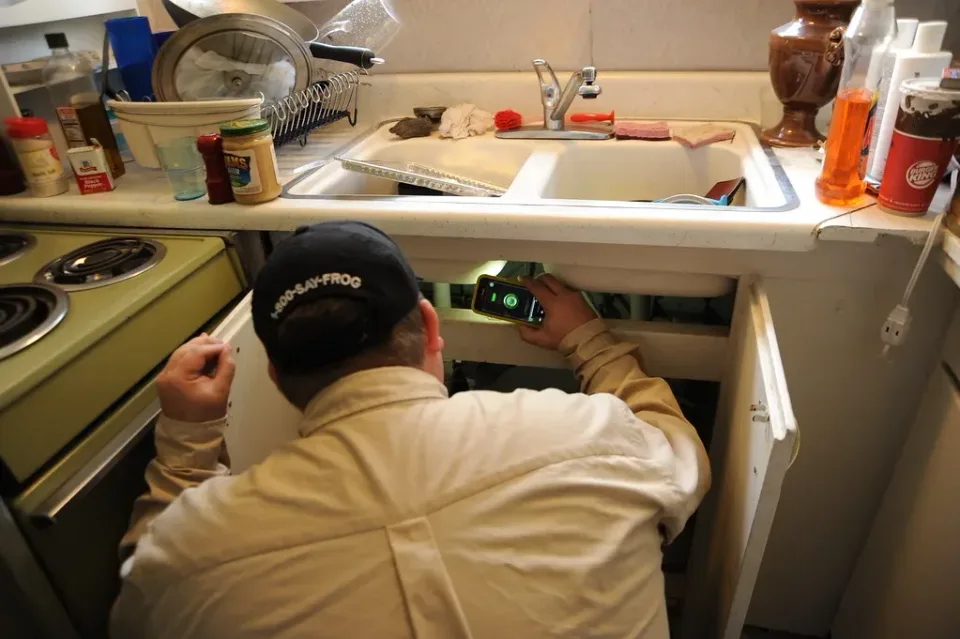
A landlord finds bed bugs in a
A technician inspects the unit, confirms the bed bugs, and explains what a heat treatment involves before quoting anything. The landlord gets the scope in writing, along with prep steps like bagging laundry and clearing the rooms so heat can reach hiding spots. The landlord knows the full scope and cost drivers before committing, and the unit can be turned around for the next tenant once treatment and any follow-up check are finished. Treating early keeps the problem from spreading between units.
Typical job
A homeowner spots a gray paper nest
A technician confirms the nest is bald-faced hornets and treats it when most of the colony is on the nest, usually late in the day. Protective gear and the right product keep the job controlled instead of turning into a stinging incident for the homeowner with a ladder. The yard is safe to use again once the colony is dead and the nest is knocked down. Homeowners who spot a nest like this should keep kids and pets away from the branch and skip the store-bought spray, which often just scatters angry hornets.
Typical job
A caller reports mice in the house
A technician inspects for droppings, gnaw marks, and entry points around the foundation and utility lines, then sets traps where activity shows. Sealing gaps and tightening food storage come with the visit so new mice have a harder time moving in. Catches drop off once the active mice are taken out and the entry points are closed. Calling at the first sign of droppings is the difference between a short job and a population that has time to grow behind the walls.